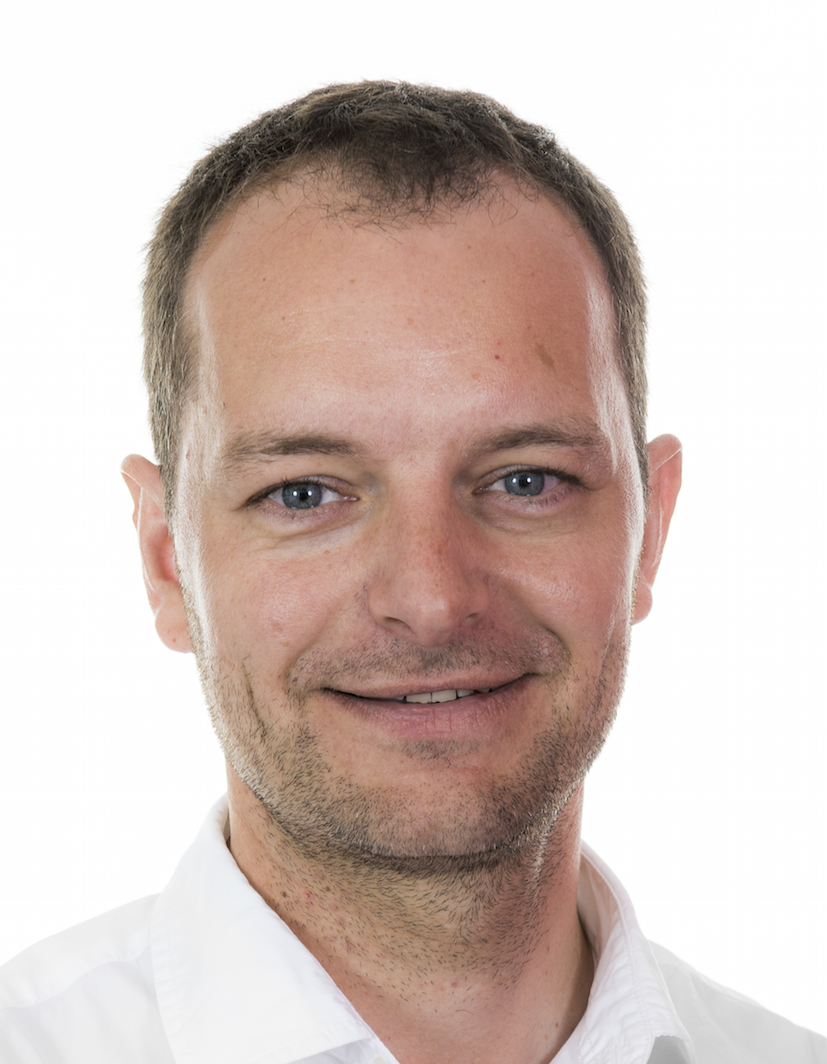
A nasal microsampler that collects undiluted fluid from a defined site, repeatably.
LicensingIn marketStartup
Get the Discover digest
Receive a weekly email digest of the latest medical diagnostics solutions added by the network.Get the Discover digest
Receive a weekly email digest of the latest medical diagnostics solutions added by the network.Updated Sept 30, 2026
Medical diagnostics covers the sampling, detection and reading technologies that turn a specimen into an answer. On Halo, the solutions cover non-invasive sampling, molecular detection, micronutrient testing, and AI reading images and screens. Sign up to search the full network and post your specific need.
A nasal microsampler that collects undiluted fluid from a defined site, repeatably.


Saliva collection devices that strip out the cells and DNA that interfere with the assay.
 DA
DA
Salvivo Limited
A 30-second visual read of oral hydration and salivary flow, validated in publication.

Rutgers University
Nanopore sensing of hair follicle secretions, read in real time and with no needle.
Single-tube multiplex SNP amplification that comes out sequencing-ready.


University of Florida
Allele-specific PCR on saliva, priced for high throughput.
 RA
RA
CRISPR Therapeutics
A CRISPR-Cas12 platform for SNP detection at full specificity and sensitivity.
 AH
AH
Cambrian Bioworks
Extraction kits and workflow automation joining sample prep to NGS.
 NU
NU
Diagnoses bloodstream infection from the neutrophil response and not a culture.
Nucleic acid preparation shortened to the steps a pathogen assay actually needs.
 CW
CW
Pathogen assays that run at ambient temperature with no equipment.
 AA
AA
Swansea University
A digital reader that turns a micronutrient lateral flow test into a number.
Sign up free to search the full network and post your specific need.
Already have an account?





Universities, startups, and suppliers with solutions in medical diagnostics.
Medical diagnostics organizations


Researchers and inventors advancing medical diagnostics.
Medical diagnostics expertsMedical diagnostics on Halo runs from how a sample is taken through to what reads it, with a clear bias toward tests that work outside a laboratory and on specimens a patient can give with no needle. On Halo it spans six groups, including non-invasive sampling, molecular detection, and micronutrient testing.
Stage of development. Work on medical diagnostics on Halo comes mostly from companies. 32% of the solutions are in market. Co-development and sponsored research are the usual partnering routes, and about 40% of the solutions that state terms offer pilot engagements.
Specimens a patient can give. Sampling avoids blood wherever it can. A nasal microsampler standardizes site and volume, saliva devices remove the cells and DNA that spoil the assay, nanopore sensing reads hair follicle secretion, and one platform assesses hydration from a 30-second look at the mouth.
Assays with no instrument. Several tests are designed around not having a laboratory: amplification at ambient temperature with no equipment, a single tube that comes out sequencing-ready, and a digital reader that turns an existing lateral flow strip into a number. The reagent chemistry is subordinate to where the test has to run.
Screening where the clinician is not. The AI solutions target settings and not diseases. One screens oral health in residential aged care, another is built only for hair and scalp, a third delivers repeatable eye-tracking through a kiosk. Each replaces an appointment that was not going to happen.
Medical diagnostics covers the sampling, detection and reading technologies that turn a specimen into a clinical answer. It spans non-invasive collection from saliva, breath and skin, molecular amplification and sequencing-ready preparation, lateral flow and point-of-care formats, and the machine learning that reads an image or a strip. Diagnostics manufacturers, hospital laboratories and care providers are the buyers. On Halo the work leans toward non-invasive sampling, molecular detection, and micronutrient testing.
Five examples of medical diagnostics solutions on Halo include:
There are 1,303 organizations with medical diagnostics solutions on Halo, 240 of them universities and research institutions. Among them are Diag-Nose.io, Dayuan & Oasis FoodTech, and Salvivo Limited. Most offer co-development or sponsored research. Sign up to see every organization working in the area and to send them your specific need.
Browsing medical diagnostics solutions on Halo is free. Sign up to search the full network and save the ones you want. Post your specific need to get exact matches. Organizations reply directly on the platform.
Over the past 12 months, R&D teams on Halo have posted these medical diagnostics needs:
Confirm digest type